

Are taller men or women more attractive?
Height significantly influences perceived attractiveness across genders, with women generally preferring taller men and men showing a moderate preference for shorter women. Scientific evidence from evolutionary biology, psychology, and sociology converges to highlight the importance of stature in mate selection, social perception, and even life outcomes. This comprehensive guide delves into the evolutionary origins of height preferences, the psychological mechanisms at play, cross-cultural differences, relationship contexts, media influence, and practical tips—culminating in how MERRIMIUM’s bespoke high-heel shoes can harness these insights for both men and women.
Evolutionary Origins of Height Preferences
From an evolutionary standpoint, height has long been associated with survival advantages. Research suggests that taller stature in men correlates with higher levels of testosterone and stronger immune function, signaling good health to potential mates. In ancestral environments where physical strength determined access to resources and protection, taller individuals—especially men—were more likely to survive, reproduce, and pass on their genes. This historical backdrop laid the groundwork for height to become a cue of genetic fitness Stulp et al. (2013).
Moreover, height played a role in status competition. In small-scale societies, leaders and high-status individuals often displayed greater physical stature, which became culturally reinforced as an attractive trait. These early associations between tallness and leadership further embed height preferences in human psychology, influencing modern mate selection processes.

Image reference: New York Post
Studies suggest a correlation between a woman's self-perceived attractiveness and her preference for taller men. Women who rate themselves as more attractive tend to prefer taller men, potentially setting higher standards for their partners. Height in men is often associated with attractiveness, dominance, and access to resources.
Psychological Mechanisms Behind Height Perception
Height perception operates on both conscious and unconscious levels. Visual cognition studies reveal that taller silhouettes are detected faster and associated with dominance and authority. When participants view images of people with varied heights, their reaction times are shorter for taller figures, indicating an automatic bias toward viewing height as significant He et al. (2016).
On a psychological level, height also influences self-perception. Wearing height-increasing footwear or standing more upright can lead to heightened confidence, improved posture, and stronger social performance. This phenomenon, known as the “enclothed cognition” effect, suggests that physical enhancements—even minor ones—can produce measurable changes in behavior and self-esteem Lehman & Sweeny (2018).
Height and Mate Preferences
Optimal Height Differences
Large-scale studies consistently show that women on average prefer partners approximately 21 cm (8.3 inches) taller, whereas men prefer a height difference of about 8 cm (3.1 inches) when choosing female partners. In one investigation of 650 Dutch adults, satisfaction with a partner’s height peaked at these respective differences, reflecting a cross-gender consensus on what constitutes an “ideal” height gap Stulp et al. (2013).
Analysis of over 50,000 online dating profiles further confirmed these preferences: women’s filters overwhelmingly sought men one standard deviation taller than average, while men’s height filters for women were more permissive and varied. These findings underscore the robustness of the male-taller norm in digital and offline mate selection contexts.
Assortative Preferences
Beyond ideal differences, people also display assortative mating—pairing with partners of similar height. A meta-analysis of 35 studies reported a moderate positive correlation (r ≈ 0.20) between partners’ heights, suggesting that taller individuals tend to date taller partners and shorter individuals prefer shorter mates.
This trend may reflect practical considerations—similar height partners often share better physical coordination and aesthetic harmony—and social homogamy, where individuals with comparable social backgrounds (often correlated with height) end up together.
Cultural Variations in Height Preferences
Although the male-taller norm is widespread, cultural and environmental factors can shift preferences. Among the Hadza hunter-gatherers of Tanzania, a preference for taller men persists, likely due to the advantages taller men have in hunting and conflict resolution Sorokowski et al. (2015).
Conversely, Tsimane’ women in Bolivia—living in a subsistence agricultural context—displayed no significant height bias, highlighting that in some cultures, cooperative skills and resource-sharing behaviors outweigh physical stature as mate selection criteria.
In East Asian urban centers, rapid socioeconomic development has amplified height selectivity, equating taller stature with educational attainment and career success. This shift illustrates how changing social mobility contexts can influence and even intensify height-based preferences over time.
Context: Short-Term vs. Long-Term Relationships
Height preferences also vary with relationship goals. In short-term or casual dating contexts, physical dominance cues—such as greater height in men—become more salient, leading men to prefer women who are modestly shorter by about 3 cm, while women’s preferences remain stable Cross-Cultural Study (2022).
For long-term partnerships, the emphasis shifts toward compatibility and cooperation. Both men and women show stronger assortative mating—opting for partners closer to their own height—suggesting that shared daily life, mutual respect, and logistical ease drive long-term mate choice.
Height in Media & Advertising
Media representation reinforces height ideals. Studies of casting in film and television find that taller actors are more frequently chosen for leadership roles and protagonists, subtly shaping audience perceptions that equate height with competence and authority CEO Visibility Study (2012).
In advertising, shoe brands often feature elevated soles and discreet platforms to enhance model stature. This tactic aligns with consumer psychology research showing that height-enhancing imagery can boost perceived product desirability Marketing Journal (2017).
Practical Tips: Posture & Footwear
- Improving posture can add an extra 2–3 cm of perceived height. Core-strengthening and back-alignment exercises help maintain an upright stance, conveying confidence and approachability Posture Study (2017).
- Footwear choices offer a straightforward way to subtly increase height. Men’s lifts and insoles adding 10–20 mm are popular for daily use, while women often opt for 30–50 mm heels for both style and height enhancement Footwear Biomechanics (2016).
- Selecting shoes with a stable base—like Cuban heels for women and pitched heels for men—balances elevation with comfort and posture support.
Introducing MERRIMIUM High-Heel Shoes
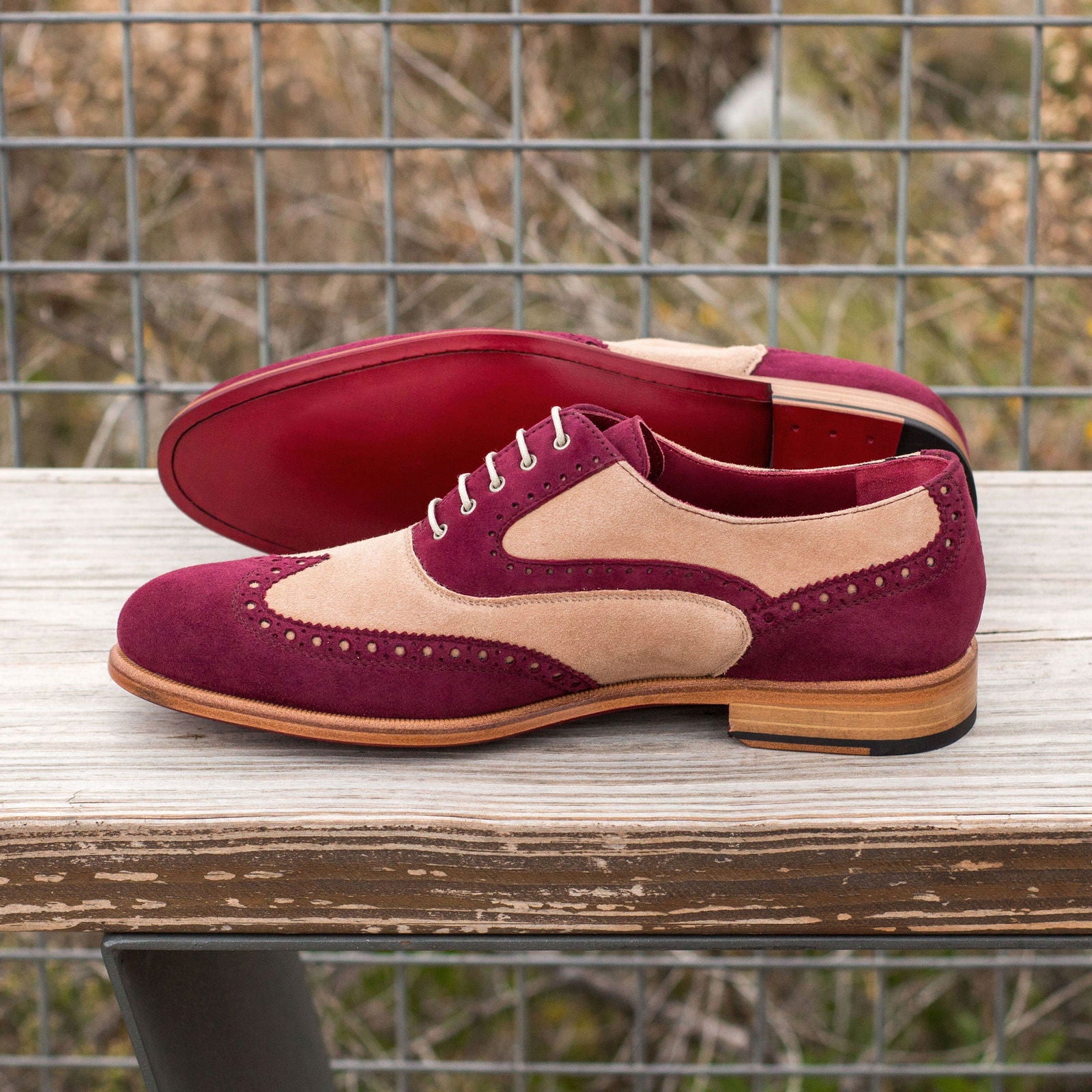
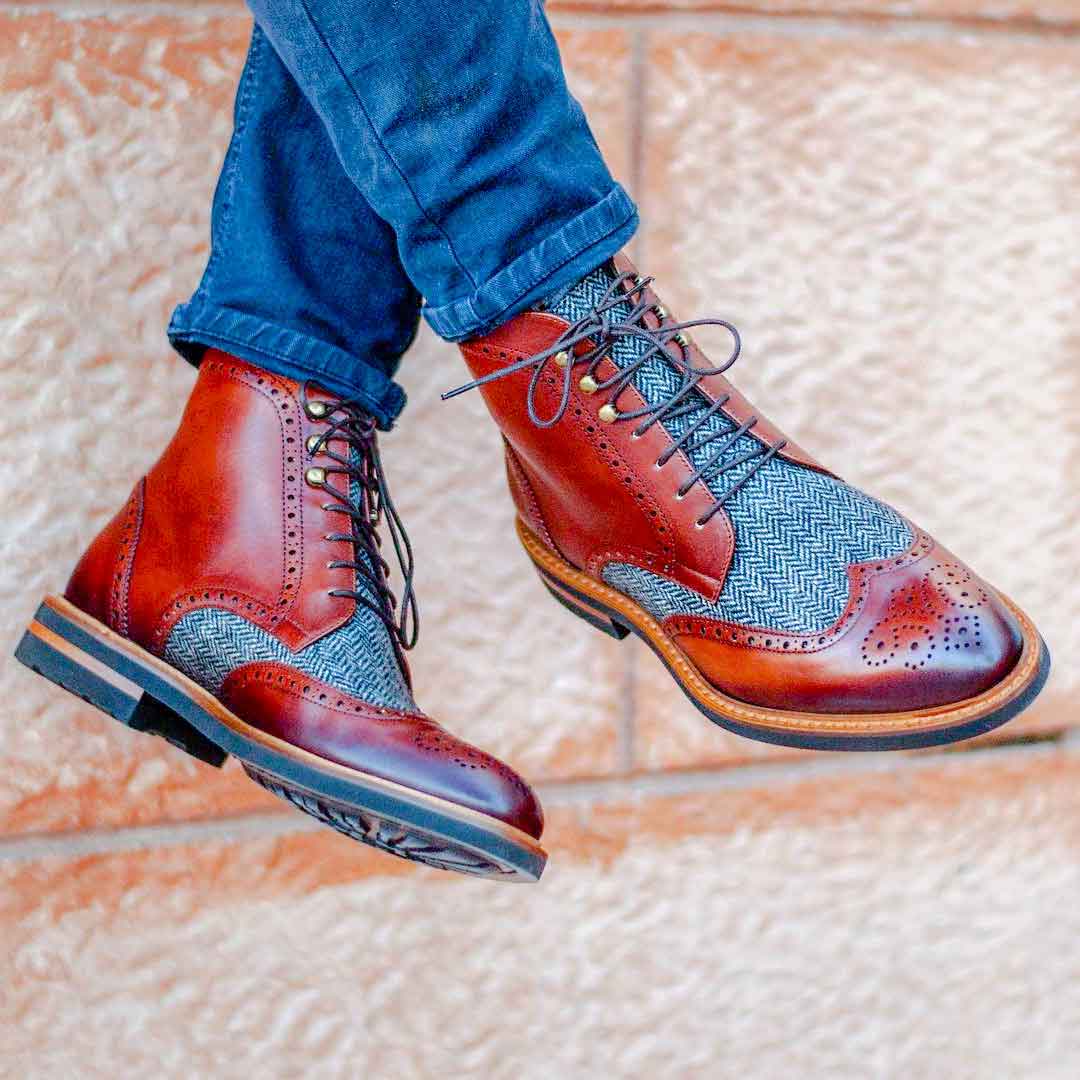
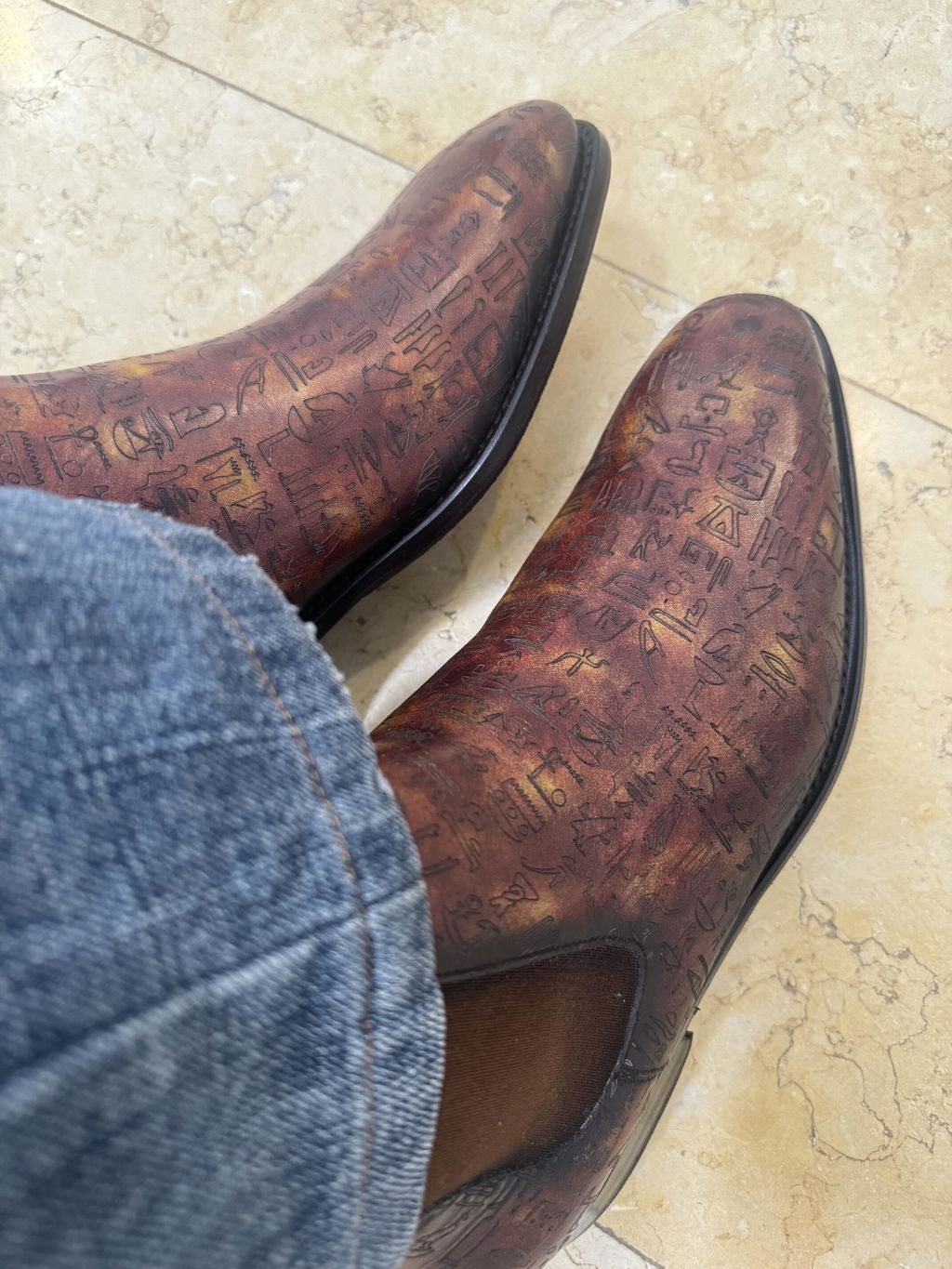
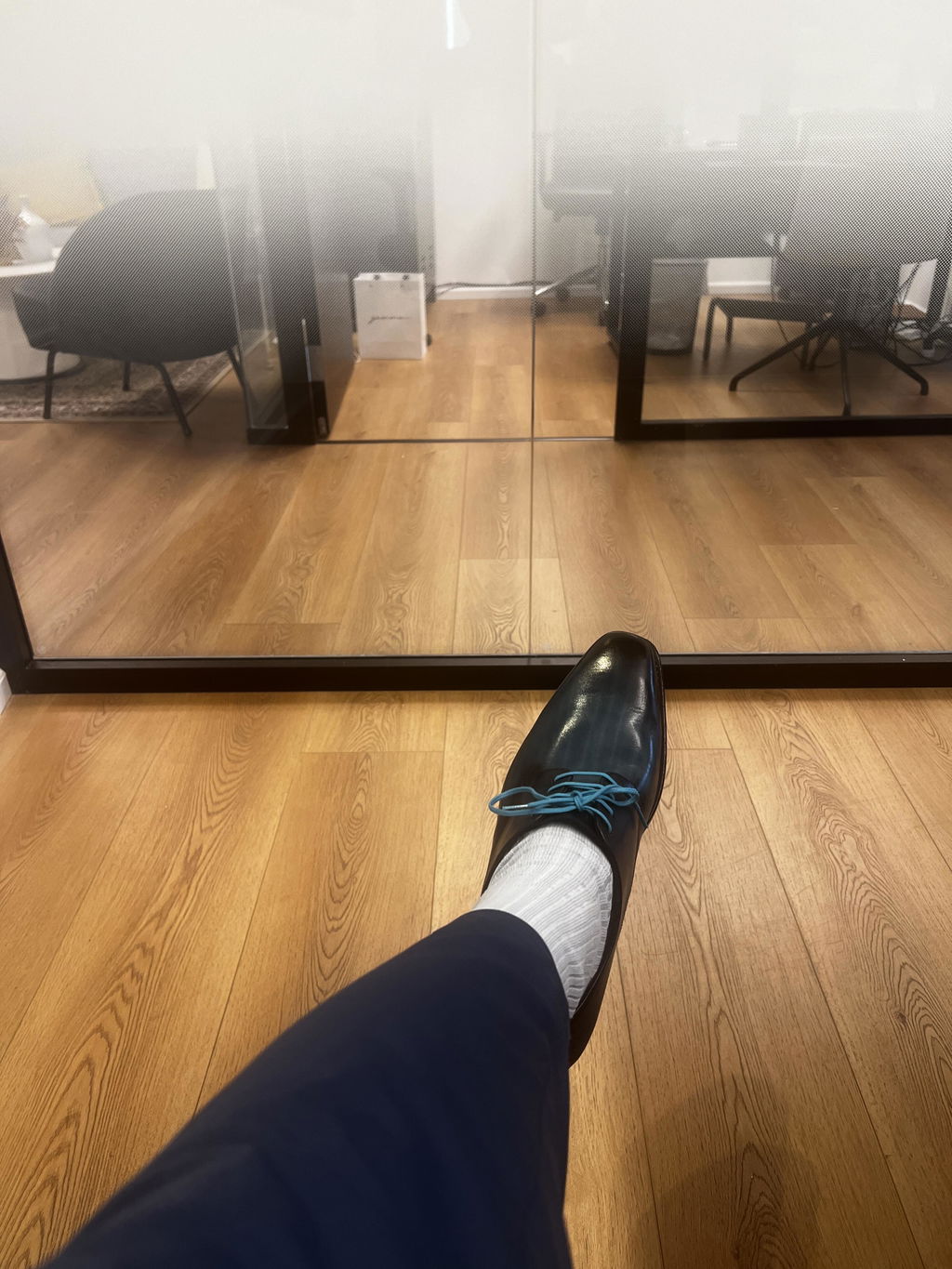
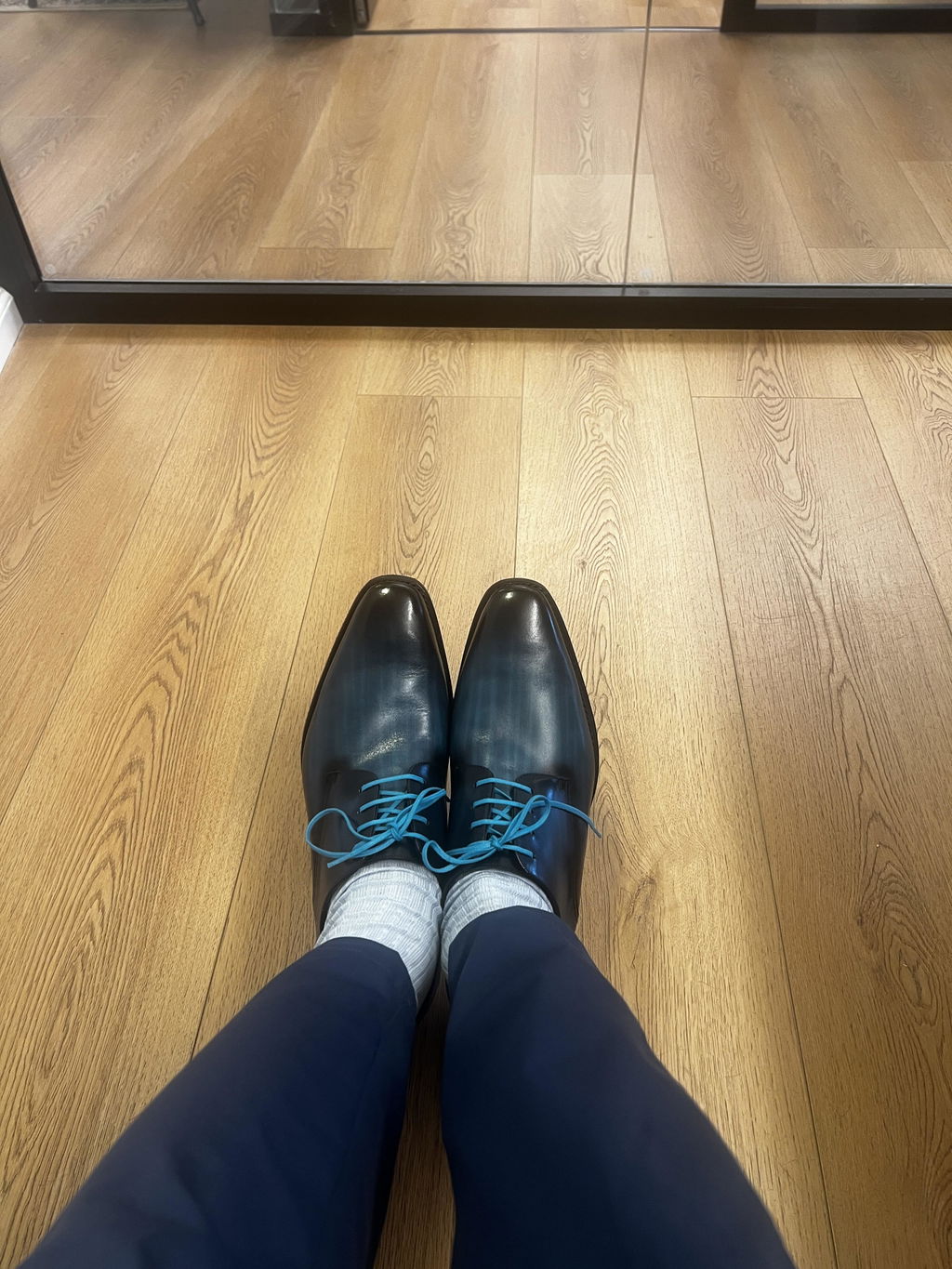
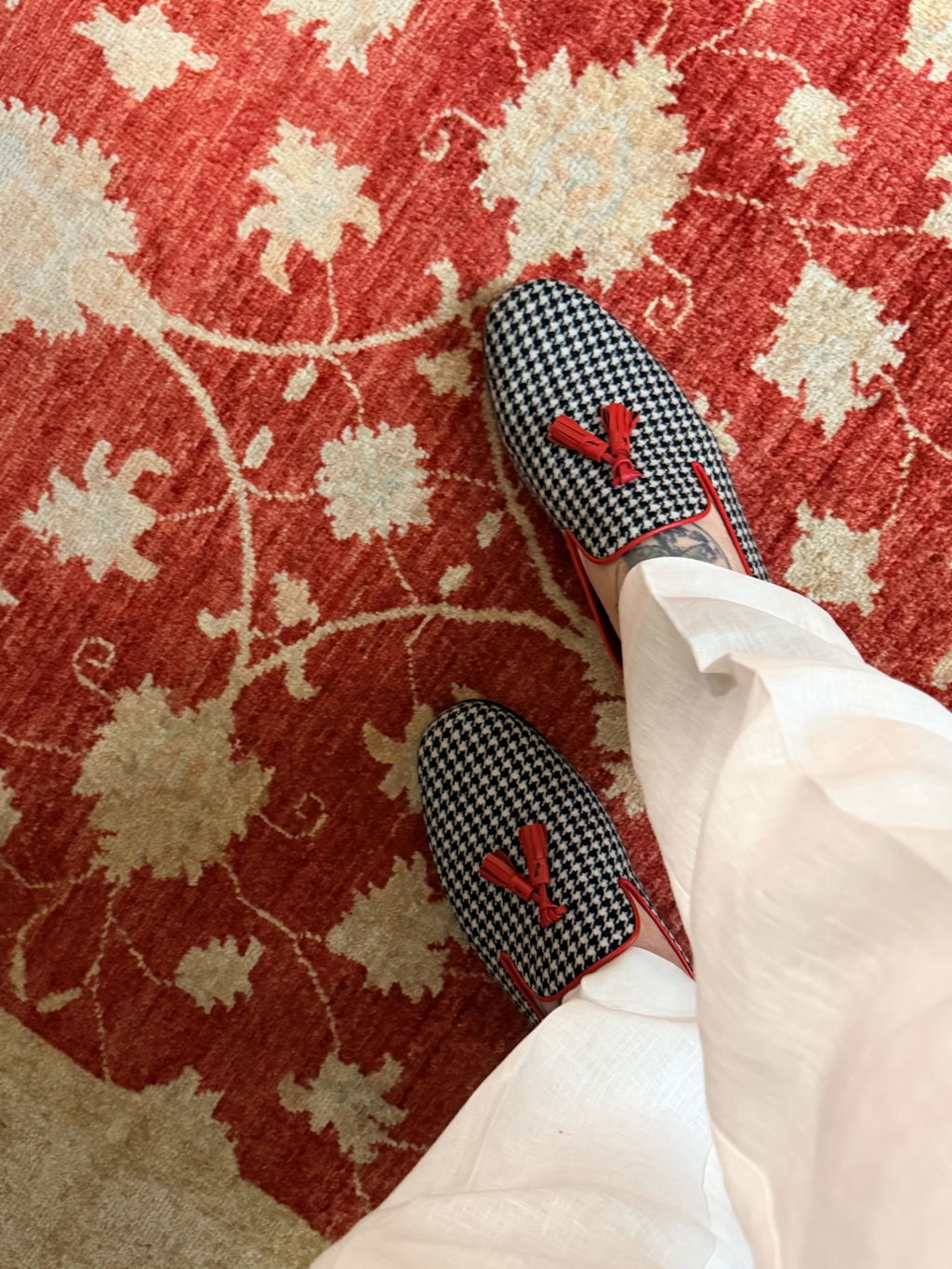
At MERRIMIUM, we translate scientific insights into luxurious footwear. Our Goodyear welt construction, premium leathers, and custom heel heights ensure comfort, durability, and subtle elevation designed to optimize attractiveness and self-assurance.
Men’s High-Heel Options
- Standard Heel (26 mm / 1”): A discreet lift perfect for daily wear, enhancing posture and presence.
- Higher Heel (34 mm / 1.34”): An additional 8 mm increase for special occasions and a more pronounced stature boost.
-
Heel Styles:
- Standard Heel – Classic straight profile for timeless elegance.
- Pitched Heel – Subtle slope from back to front for a refined, streamlined silhouette.

Women’s High-Heel Options
- Height Choices: 3" (7 cm) for everyday sophistication or 4" (10 cm) for a bold statement.
-
Heel Styles:
- Bottier – A sleek, narrow silhouette offering an ultra-modern aesthetic.
- Cuban – A wider base that provides additional stability and comfort without sacrificing style.



Leave a comment